




Artificial Intelligence: Construction Technology’s Next Frontier

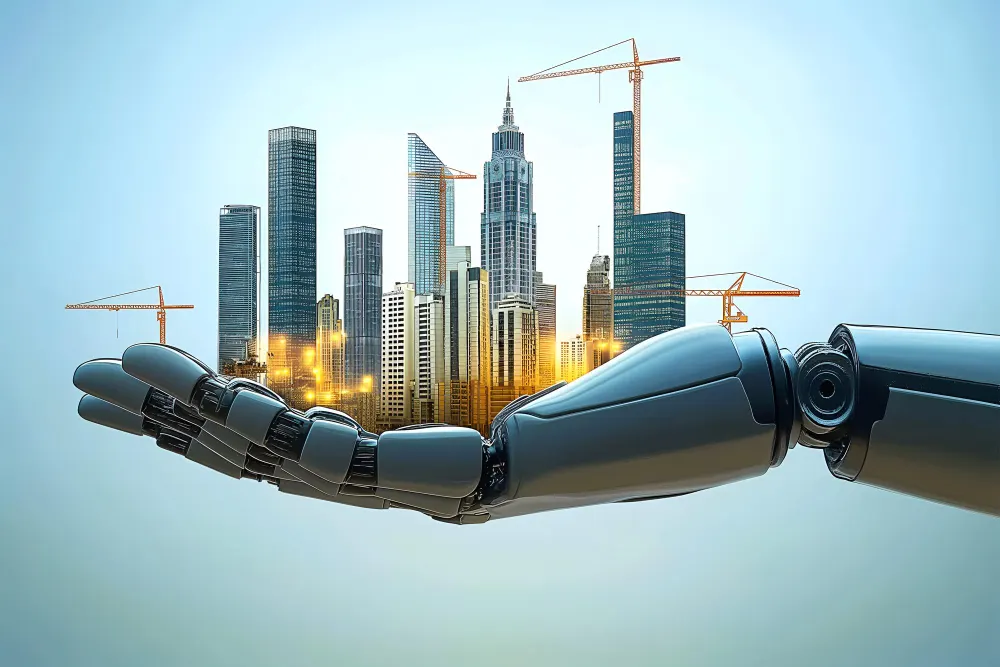
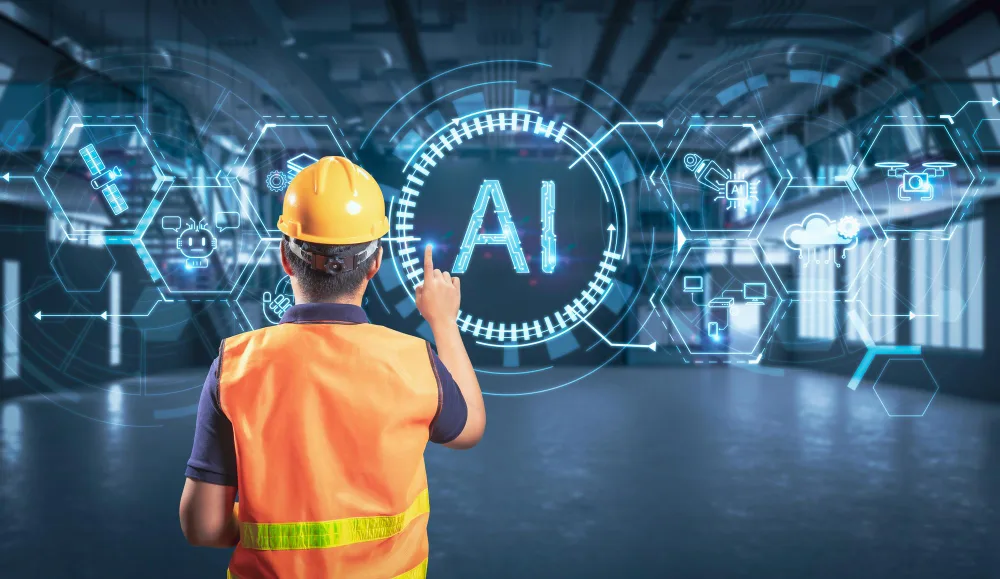
The construction industry has traditionally been slow to adopt digital transformation. Today, Artificial Intelligence (AI) is helping construction companies enhance productivity, reduce project risks, enhance safety, and make quick business decisions. AI is becoming a competitive advantage for forward-thinking construction firms.

Industry Snapshot

That momentum behind AI adoption is accelerating across industries, including construction.

88% of business leaders say accelerating AI adoption is a top business priority, while 51% of organizations using Generative AI report revenue growth of 10% or more.

Three times more C-suite executives have added AI skills, such as Prompt Engineering and Generative AI, to their LinkedIn profiles compared to just two years ago—demonstrating that AI is becoming a leadership priority, not just a technology initiative

AI can improve construction productivity by up to 20% by optimizing planning, scheduling, and project execution.

56% of construction organizations plan to increase investment in AI technologies over the next 12 months, making AI the industry’s leading technology investment priority.

These figures highlight a clear trend: organizations that embrace AI today are positioning themselves to become more productive and competitive in the years ahead.

Why AI Matters in Construction

Construction projects throw off a large amount of data — BIM models, drawings, schedules, RFIs, contracts, site photos, financial reports, all of them piling up fast. AI’s real value is turning that pile into something usable, so project teams can make faster calls with actual information.
McKinsey points to AI as a real tool for tackling construction’s biggest headaches — cost overruns, delays, labor shortages, safety risks. But it’s not about replacing skilled workers. It’s about clearing the repetitive work off their plate and backing up their decisions with real data.

Where AI Is Making an Impact

px 245

Smarter Project Planning

Before construction even starts, AI can go through past project data to build schedules, identify delays and suggest smarter resource allocation from day one.

px 246

Predictive Risk Management

Rather than scrambling to react once something’s already gone wrong, AI helps teams catch risks early —piecing together progress data, weather forecasts, procurement timelines, labor availability, and equipment performance to flag problems before they derail a schedule.

px 247

Improved Job Site Safety

AI-powered cameras, drones, and computer vision systems can monitor job sites in real time, identify unsafe conditions, detect missing PPE, and alert supervisors before incidents occur—helping create safer work environments.

px 248

Automated Document Management

Generative AI is making a real remove to the paperwork side of construction — contracts, RFIs, specs, submittals, and meeting minutes. Rather than having someone go through pages of text, AI can extract the key points and summarize what matters, considerably cutting down the administrative slog.

px 249

Better Cost Control and Financial Visibility

AI gives finance and project teams of visibility into budgets, flags spending that looks off before it becomes a problem, and takes the manual grind out of invoice processing. Add in better cash flow forecasting, and teams end up with the kind of financial insight that actually moves the needle on project profitability.

The Rise of Generative AI

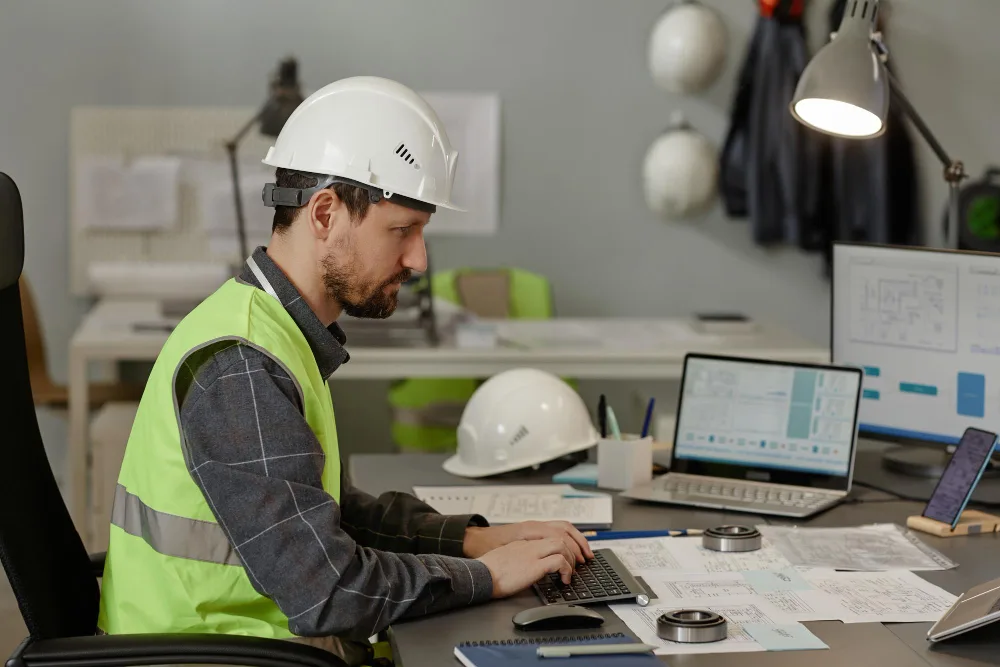
The latest generation of AI tools is transforming how construction professionals work every day. As a result, teams are using AI to:

Draft RFIs and project communications
Summarize technical documents and meeting notes.
Analysis of contracts and specifications.
Get project information instantly.
Generate reports and executive summaries.
Support quick decision-making in all projects.

Rather than removing engineers, estimators, project managers, or executives, Generative AI acts as an intelligent assistant, helping professionals focus on strategic work.

Challenges to Consider

Successful AI adoption requires more than implementing new software. To succeed, construction firms should focus on:
Building a strong digital data foundation
Managing quality project data
Training employees to use AI in every task
Protecting confidential project information
Keeping human expertise at the center of decision-making
Companies that mix quality data with professionals will provide the greatest value from AI.

Looking Ahead

AI is an important part of modern construction. Through project planning and operations in accounting and reporting, AI is helping companies work quickly, improve project outcomes, teamwork, and deliver projects at actual finish on time. The future of construction isn’t just about building faster; it’s about building smarter, with Artificial Intelligence leading the way.

Leave a Comment

Your email address will not be published. Required fields are marked *

Scroll to Top