



How AI, BIM, Digital Twins and Automation Will Reshape Construction
The construction industry is entering a major digital transformation phase. Between 2026 and 2030, technologies such as Artificial Intelligence (AI), Generative AI, Building Information Modeling (BIM), digital twins, IoT, cloud platforms, drones, robotics, computer vision and advanced analytics are expected to become increasingly integrated into construction workflows.
The shift is being driven by labor shortages, pressure to improve productivity, rising project complexity, tighter margins and the need for better project visibility. Deloitte’s 2026 Engineering and Construction Industry Outlook highlights AI as a potential driver of significant transformation across the industry, including design optimization, scheduling, cost estimation, risk management and field automation. (Deloitte)
Key Digital Construction Technology Trends
Technology
Major Applications
2026–2030 Outlook
AI & Generative AI
Estimating, forecasting, documentation, risk analysis, project support
⭐⭐⭐⭐⭐
BIM
Design coordination, clash detection, visualization, project delivery
⭐⭐⭐⭐⭐
Digital Twins
Asset monitoring, simulation, predictive maintenance
⭐⭐⭐⭐⭐
Power BI & Advanced Analytics
Financial reporting, WIP, profitability, project KPIs, forecasting and operational intelligence
⭐⭐⭐⭐⭐
Cloud Platforms
Collaboration, document management, data sharing
⭐⭐⭐⭐⭐
IoT & Sensors
Equipment, worker, material, and site monitoring
⭐⭐⭐⭐
Drones & Reality Capture
Surveying, inspections, progress tracking
⭐⭐⭐⭐
Robotics & Automation
Repetitive work, material handling, productivity
⭐⭐⭐⭐
Computer Vision
Safety, quality, progress and site monitoring
⭐⭐⭐⭐
AR/VR/MR
Training, visualization and field coordination
⭐⭐⭐

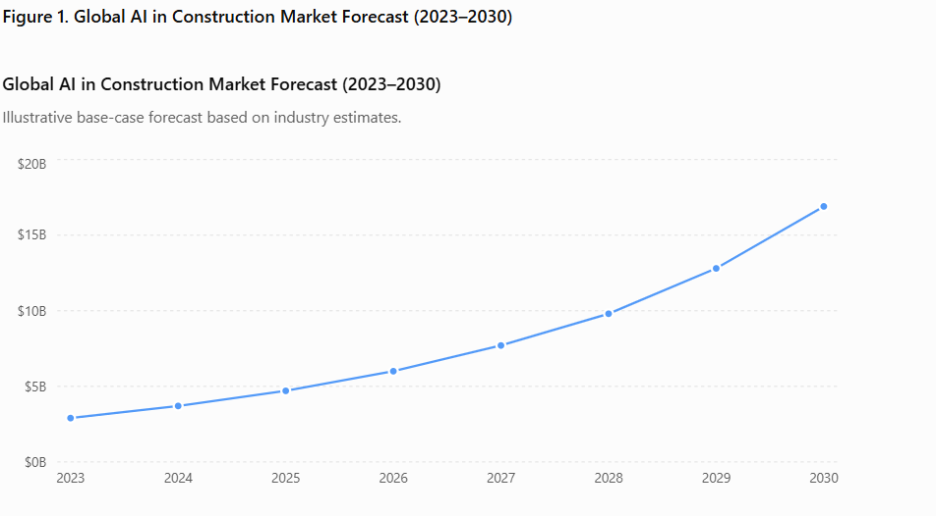
Figure 1. Global Digital Technology in Construction Market Forecast
(2023–2030)
As shown in Figure 1, this market is expected to keep growing as construction companies use more software and digital tools for planning, building, and managing projects. Growth is expected by 2030, mainly because of simple, easy-to-use technology for everyday work.
Source: Grand View Research (Base Scenario) and industry market estimates summarized in this report.
1. AI: The Next Construction Productivity Engine
AI is moving from experimentation toward practical construction applications. Construction companies can use AI to analyze project information, automate documentation, support estimating, identify potential risks, optimize schedules, and improve decision-making.
Deloitte reports that construction firms are increasingly exploring AI and other digital technologies across the value chain, including connected construction, digital twins and BIM. (Deloitte)

High-value AI use cases include:
2) BIM + Digital Twins: From Models to Intelligent Assets
BIM is evolving from a design and coordination tool into a broader information-management foundation. The combination of BIM + IoT + cloud + AI + real-time project data can create more dynamic digital representations of construction projects and assets. Deloitte identifies digital twins, common data environments and increasingly sophisticated BIM capabilities as important components of technology integration across engineering and construction. (Deloitte)
The long-term opportunity is to move from: Static BIM Model → Connected Digital Twin → Predictive Construction & Asset Management

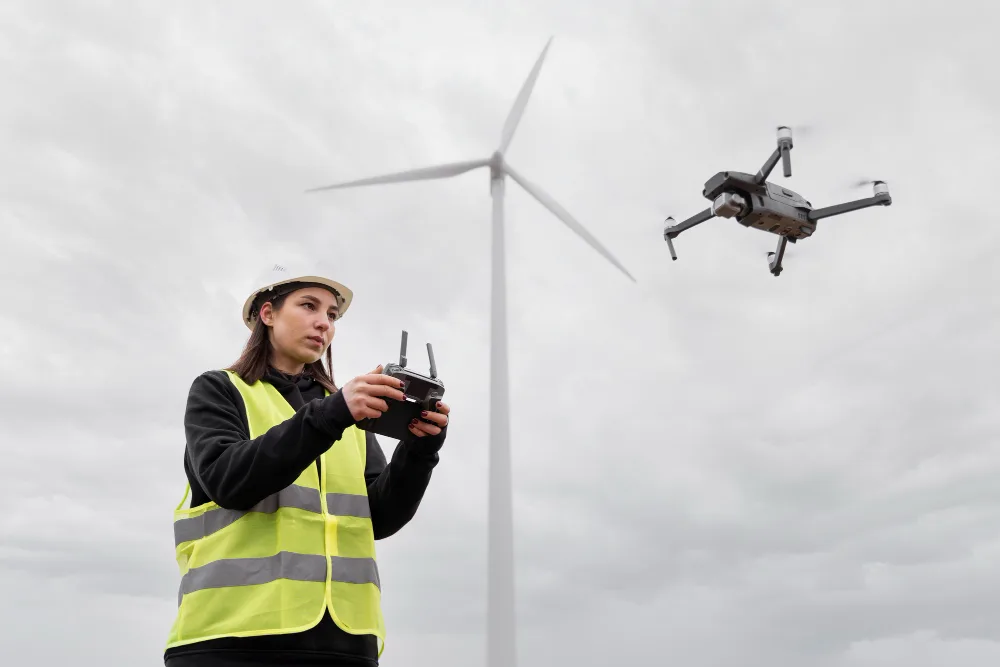
3. IoT, Drones & Computer Vision
Connected construction sites are expected to generate significantly more real-time data. IoT sensors can help monitor:
Meanwhile, drones and computer vision can support surveying, inspections and progress tracking. These technologies can provide project managers with more frequent and objective information about what is actually happening on site.
4. Power BI: Turning Construction Data Into Decisions
Power BI is becoming an important part of the construction technology ecosystem because it can connect data from ERP, accounting, project management, field applications, CRM and other business systems into interactive dashboards. For construction companies, Power BI can provide a centralized view of:

Instead of waiting for manually prepared monthly reports, executives and project managers can use dashboards to identify trends, exceptions and potential problems earlier. The combination of ERP + Power BI + AI + automation can create a more connected decision-making environment for construction businesses.
Construction Data Will Become a Competitive Advantage
Modern construction companies operate across multiple systems: ERP + Accounting + Project Management + BIM + Field Applications + HR + Equipment + CRM. The challenge is no longer simply collecting data. It is connecting and interpreting that data. This is where platforms such as Power BI and advanced analytics can become important. Construction executives can use connected dashboards to monitor:
Project profitability
Budget vs. actual costs
WIP
Labor productivity
Cost variance
Schedule performance
Forecast revenue
Equipment utilization
Technology and the Construction Workforce
Technology adoption is also being driven by talent shortages. Autodesk’s 2025 State of Design & Make research found that 46% of leaders surveyed said AI skills would be a top hiring priority in the coming years, highlighting the growing importance of digital capabilities alongside traditional industry expertise. (Autodesk News) This means future construction teams will increasingly require a combination of: Construction Expertise + Data Skills + AI Literacy + Digital Workflow Knowledge. Technology is therefore unlikely to simply replace workers; instead, many organizations will use it to augment employees and improve productivity.
Digital Technology and Sustainability
AI and digital technologies can also support sustainability initiatives. Autodesk’s 2025 research reported that 39% of leaders surveyed use AI to help become more sustainable, making AI the leading sustainability-enabling technology in its research. (Autodesk)

Potential applications include:
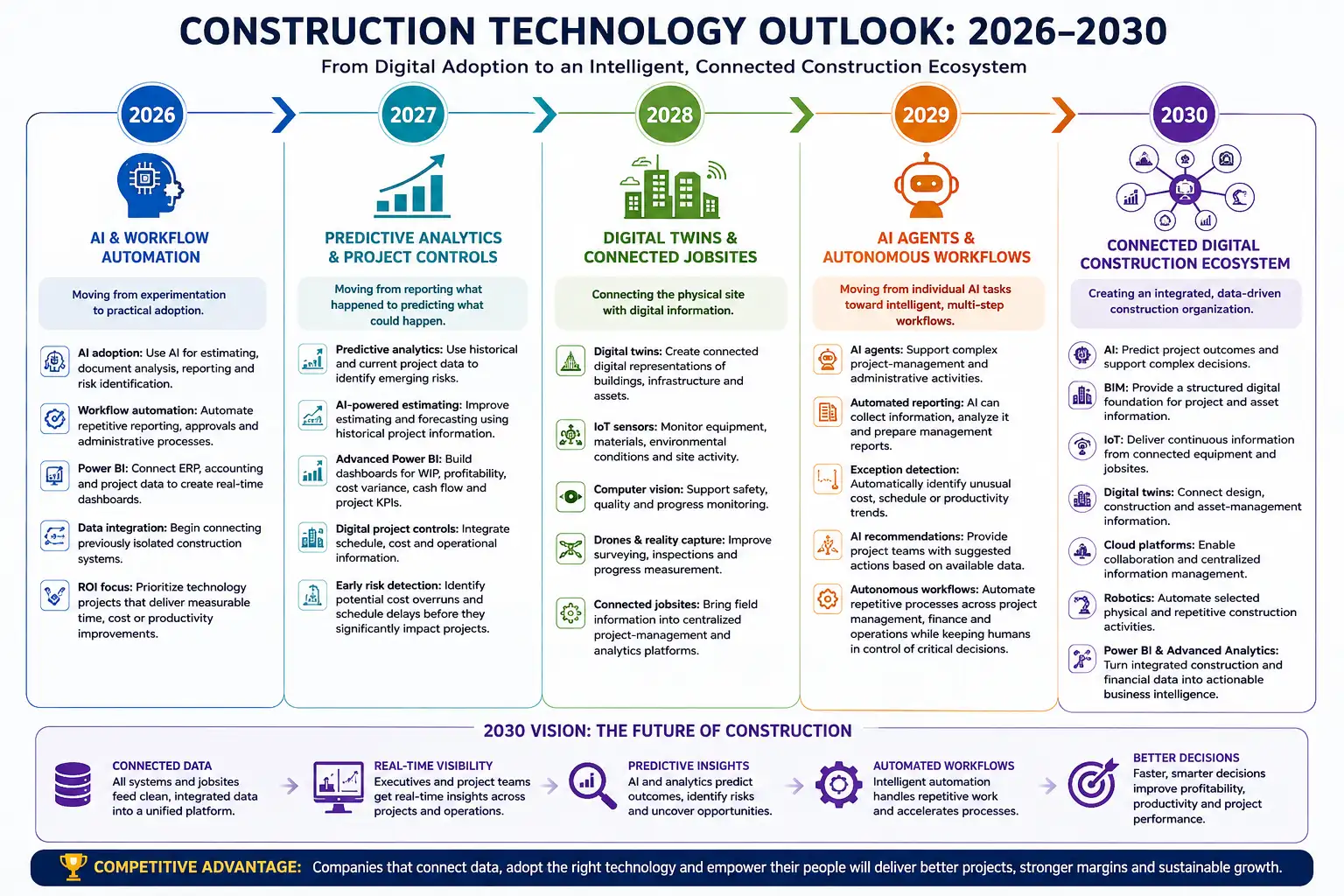
Construction Technology Outlook: 2026–2030

Build a Connected Data Foundation
Construction companies should connect their ERP, accounting, project management, field applications, BIM, CRM and other operational systems wherever practical.
Many contractors already have large amounts of data, but that information often remains distributed across different platforms and spreadsheets. This can result in duplicate data entry, inconsistent numbers and time-consuming reporting processes.

Identify High-ROI AI Use Cases
Companies should avoid adopting AI simply because it is a major industry trend. Instead, contractors should identify specific processes where AI can deliver measurable value. Potential high-value applications include:

Each AI initiative should have a clear business objective, owner and measurement framework.
For example:
Manual Reporting → AI Automation → Faster Reporting → Faster Decisions
Starting with focused, measurable use cases can make AI adoption easier to manage and demonstrate ROI.
Invest in Construction Analytics & Power BI
Construction companies should move beyond static spreadsheets and manually prepared reports. Power BI can connect information from multiple business systems and transform it into interactive dashboards for executives, CFOs, controllers and project managers.

A construction Power BI environment can provide visibility into:
Instead of discovering a problem at the end of the month, management can identify trends and exceptions earlier. The long-term objective should be to move from:
Reporting what happened → Understanding why it happened → Predicting what may happen → Taking action
Digitize Field Operations
Field teams generate some of the most important information on a construction project. Daily reports, labor hours, equipment usage, progress updates, inspections, photos and site observations can all influence project performance. When this information is captured manually and transferred between systems, delays and errors can occur.

Companies should look at digital solutions that connect jobsite activities with office-based project controls.
Upskill Employees
Digital transformation is not only a technology initiative—it is also a people initiative Construction employees will increasingly need a combination of: Construction Expertise + Data Skills + AI Literacy + Digital Workflow Knowledge

Focus on Integration, Not Technology Silos
Adding more software does not automatically create digital transformation. A company can have an ERP, CRM, project management system, accounting platform, field application and BI tool and still have disconnected information. The real value comes from integration.

Before implementing a new technology, construction companies should ask:
The long-term goal should be a connected technology ecosystem, not a collection of disconnected applications.
Construction Data Will Become a Competitive Advantage
Modern construction companies generate enormous amounts of information across multiple systems: ERP + Accounting + Project Management + BIM + Field Applications + HR + Equipment + CRM + Power BI. Each system provides a different piece of the business picture.The challenge is no longer simply collecting data. The real challenge is connecting, cleaning, analyzing and acting on that data.
From Data Silos to Business Intelligence
When project and financial information is spread across spreadsheets and disconnected applications, teams may spend hours reconciling numbers before they can even begin analyzing performance.
For example, a project manager may have project data in one system, accounting information in another, labor information in a spreadsheet and field updates in a mobile application.
This creates a fragmented picture of project performance. A connected data environment can bring these sources together.

Power BI as the Decision Layer
Power BI can serve as an analytics and visualization layer across construction data. Instead of viewing individual reports, management can create connected dashboards showing: Project Revenue → Costs → WIP → Forecast → Profitability → Risk
Executives can analyze performance across multiple projects, while project managers can drill down into individual jobs, cost codes, departments or time periods.

Data Can Become a Competitive Advantage
Construction companies that can access reliable information faster can potentially:
The competitive advantage will not come from having more data. It will come from turning data into actionable intelligence faster than competitors.
The Future of Construction Is Connected
The 2026–2030 period could represent a major transition for construction technology. The companies that succeed will not necessarily be those using the most technology. They will be those that use the right technology to solve the right business problems.
AI can predict
BIM can visualize
IoT can connect
Digital twins can simulate
Power BI can analyze and visualize
Automation can execute

Together, these technologies can help create a more productive, connected and data-driven construction industry.
About ProxSoft Global
ProxSoft Global helps construction and real estate businesses leverage technology to improve productivity, visibility, and decision-making. From construction technology solutions, AI and workflow automation to Power BI dashboards, accounting, bookkeeping, and digital marketing, ProxSoft Global provides integrated solutions designed around real-world business needs. With a focus on connecting people, processes, data, and technology, ProxSoft Global helps organizations build smarter and more efficient operations for the future.